
The Digital Frontier: Exploring Real Estate Technology


Why Real Estate Technology Matters Now More Than Ever
Real estate tech is fundamentally changing how properties are bought, sold, managed, and marketed. At its core, real estate technology encompasses the digital tools and platforms that streamline transactions, improve client experiences, automate marketing and operations, and provide data-driven insights for better decision-making.
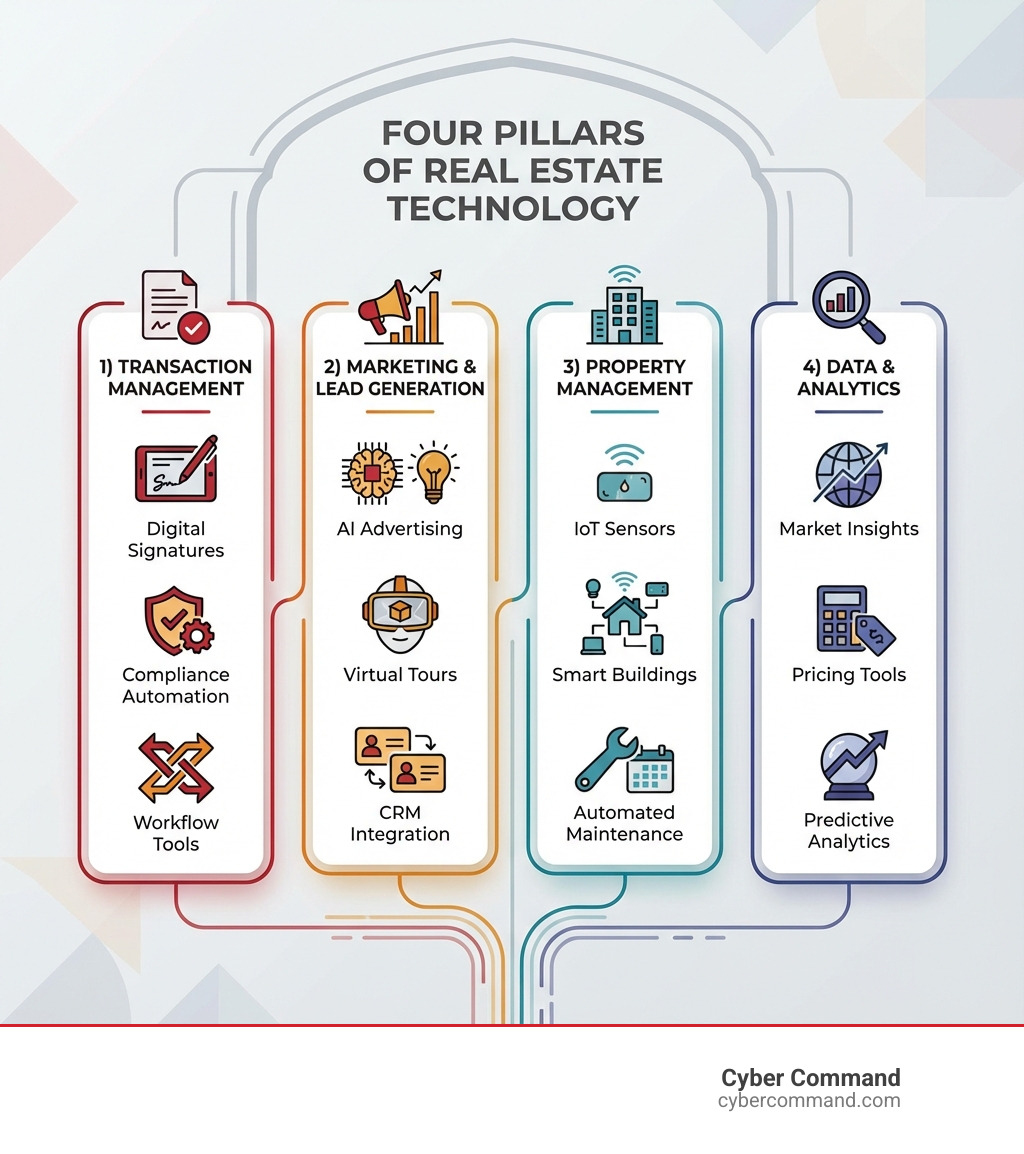
Key pillars of real estate tech include:
- Transaction Management – Cloud-based platforms for e-signatures, digital compliance, and automated workflows that save 10+ hours per week
- Marketing & Lead Generation – AI-driven advertising, virtual tours, and automated nurturing systems generating nearly 400,000 leads annually for top platforms
- Property Management – IoT-enabled smart buildings, automated maintenance requests, and digital tenant communication
- Data & Analytics – Big data tools for pricing strategies, predictive market analysis, and neighborhood trend identification
The numbers tell a compelling story. In 2024, real estate professionals using advanced technology platforms grew their sales volume 17% compared to peers—nearly double the industry average. Technology is no longer optional; it’s the difference between thriving and merely surviving in today’s market.
The shift is dramatic and accelerating. As one industry report notes: “Technology continues to transform the way real estate professionals conduct business and connect with clients.” From AI-powered chatbots handling client inquiries 24/7 to blockchain-enabled smart contracts streamlining closings, the digital change touches every aspect of the industry.
Yet this change brings complexity. Real estate professionals face a dizzying array of tools—from CRM systems and transaction platforms to cybersecurity solutions and digital marketing suites. The challenge isn’t just adopting technology; it’s choosing the right tools, integrating them seamlessly, and ensuring they’re secure and reliable.
I’m Reade Taylor, founder of Cyber Command, and I’ve spent years helping real estate professionals steer the intersection of technology and business growth, from securing property management systems to implementing real estate tech infrastructure that protects sensitive transaction data. Understanding which real estate tech solutions deliver real ROI—and which create more problems than they solve—is critical for any growing real estate operation.
Core Technologies Revolutionizing the Industry
The real estate tech landscape is buzzing with innovation, fundamentally changing how we approach property. These aren’t just minor tweaks; they’re impactful technologies reshaping everything from how we find a home to how buildings are managed. Let’s explore the most significant advancements currently being adopted.

Artificial Intelligence (AI) and Machine Learning
Artificial Intelligence (AI) and machine learning are no longer futuristic concepts; they’re actively being leveraged across real estate transactions and client interactions, making processes smarter and more personalized. We’re seeing AI improve lead scoring by analyzing vast datasets to identify the most promising prospects, allowing agents to focus their efforts where they matter most. It’s like having a super-smart assistant that instantly knows who’s truly interested.
AI also excels in market analysis, providing deep insights into pricing strategies, neighborhood trends, and even predicting when a property might come on the market based on ownership length and equity data. This equips our real estate professionals in Florida and Texas with unparalleled local expertise. Imagine an AI Marketing Specialist tracking keyword trends, competitor performance, and search intent to keep our listings at the top of search results, or an AI Lead Nurture Specialist engaging prospects with timely, personalized follow-ups.
Beyond analysis, AI powers chatbots that can handle initial client inquiries 24/7, offering instant responses and freeing up agents for more complex tasks. Companies like EliseAI offer property management solutions that use AI to handle prospective renter engagement and provide support to current residents. This leads to higher client satisfaction—with some platforms reporting a 30% higher client satisfaction rate thanks to AI-driven interactions. AI is also automating content creation, generating custom, market-specific property descriptions and marketing materials. For those looking to streamline their back-office, AI-powered tools like Lessen’s Copilot software simplify property maintenance by diagnosing problems and automatically generating work orders.
The benefits are clear: increased efficiency, better client engagement, and a competitive edge. It’s about letting AI handle the repetitive tasks so our human experts can focus on building relationships and closing deals. If you’re curious about how these tools can transform your operations, we invite you to explore more info about Automation for Real Estate.
Big Data and Advanced Analytics
In real estate tech, data is the new gold, and advanced analytics is our pickaxe. Big data and analytics are fundamentally changing how we understand market dynamics, develop pricing strategies, and identify emerging neighborhood trends. By analyzing massive amounts of information—from property records and sales histories to demographic shifts and online search volumes—we can gain predictive tools that forecast market movements and property listings with unprecedented accuracy.
Platforms like Redfin provide data-driven insights that show which zip codes generate the highest online search volume, enabling our agents to target ads more effectively in areas like Orlando or Tampa Bay. These tools can even forecast when a property is likely to come on the market based on ownership length and equity data. For commercial real estate, platforms like VTS harness real-time first-party data to fuel investment strategies, online leasing, and tenant experiences.
The application of big data leads to more informed decisions, allowing agents and brokers to impress clients with accurate, data-driven property analyses. This analytical prowess directly translates into tangible business improvements, with some professionals experiencing a 20% more transaction volume and making operations significantly more efficient. Moving beyond surface-level metrics and utilizing CRM dashboards and third-party data platforms to understand lead behavior and neighborhood momentum is now a best practice. For a deeper dive into how these insights are shaping the industry, check out more info about Real Estate Technology Trends.
Virtual (VR) and Augmented Reality (AR)
Property viewing and marketing are being transformed by virtual reality (VR) and augmented reality (AR) in ways we once only dreamed of. These technologies allow us to remove geographic barriers, providing immersive 3D tours that let prospective buyers explore properties from anywhere in the world, be it Winter Springs, Florida, or Plano, Texas. This is especially impactful in luxury real estate, where high-end brokers are using VR showrooms for properties that are not even built yet.
AR takes this a step further by overlaying digital information onto the real world. Imagine walking through an empty house and using your phone or tablet to virtually stage it with furniture, visualize renovations, or even change paint colors in real-time. Developers are using AR apps to show virtual staging in empty lofts, helping buyers envision potential. This significantly improves the buyer’s experience, making it easier for them to connect with a property and make informed decisions, even before stepping foot inside. This immersive approach not only improves property marketing but also saves time for both agents and clients by pre-qualifying interest. The National Association of REALTORS® (NAR) has recognized VR and AR as powerful selling tools, underscoring their growing importance in the industry. Learn more about the impact of these technologies through NAR research on VR and AR in real estate.
Blockchain and Smart Contracts
The future of real estate transactions is increasingly linked to blockchain technology and smart contracts. Blockchain, the underlying technology of cryptocurrencies, offers a secure and transparent way to record and verify transactions, reducing the need for intermediaries and speeding up processes. Think of it as a digital, unchangeable ledger for property ownership and transfers.
Smart contracts are self-executing digital agreements stored on a blockchain. These contracts can automatically release funds, transfer ownership, and record documents once predefined conditions are met, without human intervention. This could revolutionize the closing process, making it faster, more secure, and less prone to fraud. While still emerging in many areas, we are seeing startups in the U.S. actively piloting blockchain escrow services that settle instantly once conditions are met. This means potentially moving from weeks-long closing processes to near-instantaneous ones.
The benefits are immense: improved security, reduced costs due to fewer intermediaries, and unparalleled transparency. It also opens the door to new possibilities like fractional ownership of properties. The NAR acknowledges the significant potential of this technology in its guide to Blockchain in real estate. As these technologies mature, we anticipate a significant shift in how property is bought, sold, and managed, particularly in securing and streamlining complex transactions.
Digital Twins and the Internet of Things (IoT)
Digital twins and the Internet of Things (IoT) integration are optimizing building management and sustainability, bringing unprecedented visibility and control to properties. A digital twin is a precise 3D model of a physical property, continuously updated with real-time data from IoT sensors embedded throughout the building.
These sensors can track everything from energy use and air quality to maintenance needs and space utilization. For commercial landlords in our service areas like Jacksonville or Tampa Bay, digital twins are already being used to optimize energy consumption and reduce carbon footprints, leading to significant operational savings and improved sustainability. Residential applications are also emerging, such as monitoring HVAC systems for predictive maintenance or tracking solar panel efficiency.
The integration of IoT with digital twins allows for proactive building management. Instead of waiting for a system to break down, the digital twin can predict potential issues, schedule maintenance automatically, and even optimize environmental controls based on occupancy, enhancing occupant comfort and reducing waste. This not only makes buildings “smarter” but also contributes to green building initiatives and addresses sustainability challenges. For those interested in the cutting edge of property management, understanding the rise of Digital Twins in property is crucial. To learn more about how technology can improve your property operations, explore more info about Property Management Technology Solutions.
Streamlining Operations and Driving Growth with Real Estate Tech
The pace of the modern real estate market demands efficiency, and that’s precisely where real estate tech shines. By automating repetitive tasks and providing powerful tools, technology helps us streamline operations, generate more leads, and ultimately drive significant growth.
Smarter Lead Generation and Conversion
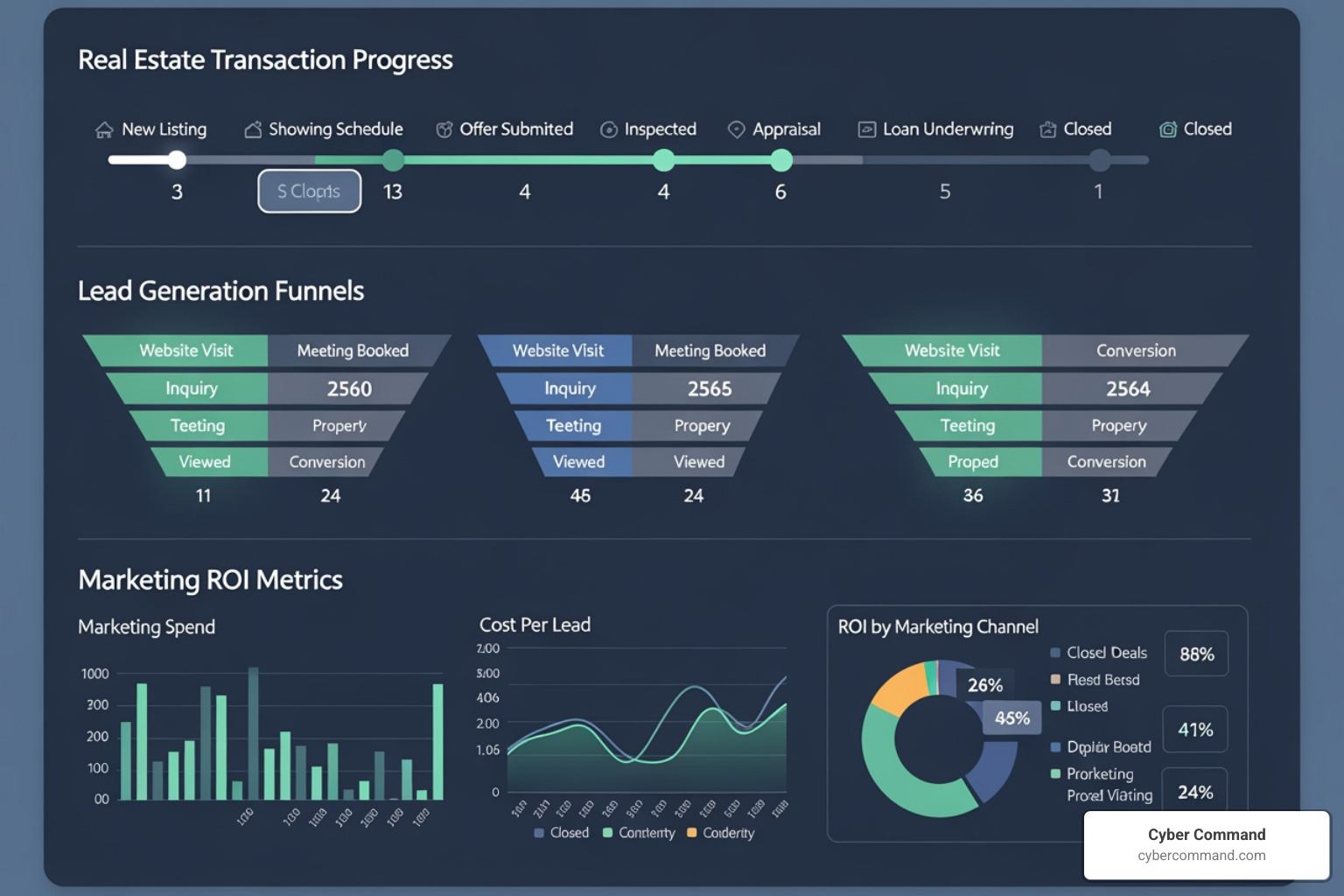
In today’s competitive market, simply having a website isn’t enough; we need smarter strategies for lead generation and conversion. Real estate tech offers sophisticated tools that capture, qualify, and nurture leads more effectively. This means implementing interactive property searches, valuation tools that give instant estimates, and robust CRM systems that track every interaction.
Platforms are designed to help agents fill their pipelines with leads. For example, Luxury Presence generated nearly 400,000 leads for clients in the first half of 2025 alone. These systems leverage AI and automation to ensure that once a lead is captured—say, through a saved search on an agent’s website—they receive personalized updates via email or text, keeping them engaged. This automated lead nurturing ensures that no prospect falls through the cracks and that agents can focus on high-value interactions. By integrating these technologies, real estate professionals can not only generate more leads but also convert them into clients more consistently. For agents in Central Florida or Texas looking to gain a competitive edge, diving into these tools is essential. Find how to leverage these advancements by visiting more info about Technology for Real Estate Agents.
Cloud-Based Workflow Automation
The days of mountains of paperwork and manual processes are rapidly fading, thanks to cloud-based workflow automation. This is a game-changer for streamlining real estate transactions and operations, creating speed, accuracy, and transparency that clients expect. We’re talking about everything from e-signatures to digital compliance checks and automated scheduling.
Platforms like Stavvy and Endpoint replace paper documents with digital versions, allowing lenders, notaries, buyers, and agents to collaborate securely on documents and transfer escrow funds in one transparent location. This significantly increases efficiency and cuts down on paper waste. With such systems, we see 35 million digital signings annually through platforms like Authentisign, demonstrating the scale of adoption.
Cloud-based solutions extend beyond transactions to encompass scheduling, reminders, and document routing, freeing up countless hours for real estate professionals. Agents report saving 6-10 hours each week, allowing them to close 15% more transactions and achieve 25% more efficient operations. This automation isn’t just about saving time; it’s about reducing errors, ensuring compliance, and providing a seamless experience for all parties involved in a transaction. For a comprehensive understanding of these tools, explore more info about Cloud Computing Real Estate and more info about Real Estate Transaction Software.
Advanced Digital Advertising Strategies
Effective advertising is paramount, and real estate tech has ushered in an era of advanced digital advertising strategies. These strategies move beyond simple online listings to hyper-targeted, AI-driven campaigns that maximize visibility and return on investment.
AI-driven ad spend optimization ensures that marketing budgets are allocated efficiently, reaching the most relevant audiences across platforms. This means targeting specific demographics, interests, and even behaviors of potential buyers in Jacksonville, Plano, or beyond. Retargeting campaigns keep properties in front of interested prospects who have previously interacted with listings or websites. With platforms generating 365 million digital ad impressions each year, the reach is undeniable.
Companies like Digible provide digital marketing services custom for the real estate industry, including building user-friendly websites, increasing leads, and enhancing visibility through organic media solutions. Luxury Presence, for instance, focuses on digital marketing support, including on-page optimization, competitive analysis, and content creation, helping agents and brokerages launch branded websites and leverage AI for property descriptions. These advanced strategies ensure that properties are seen by the right audience at the right time, converting passive browsers into active leads.
Navigating the New Landscape: Trends, Challenges, and Security
As real estate tech continues its rapid evolution, we must also steer the emerging business models, address critical challenges, and prioritize robust security measures. The digital frontier is exciting, but it also demands vigilance and strategic foresight.
Emerging Business Models and Investment in Real Estate Tech
The rapid growth of real estate tech has fueled the emergence of innovative business models and significant investment trends within PropTech. One notable model is the iBuyer, exemplified by companies like Opendoor. Opendoor simplifies the home buying and selling process by buying houses in cash, typically closing in 10 to 60 days, and then reselling them through their app. This makes the process “as easy as buying and selling cars,” as noted by The New York Times, offering speed and convenience that traditional methods often lack.
Fintech solutions are also changing real estate finance. Companies like Hometap make home equity investments, allowing homeowners to access the future value of their property without taking out a loan. Valon aims to bring simplicity and dependability to homeownership through digital mortgage management tools, instant payments, and account insights.
Investment in real estate tech has seen significant fluctuations but a clear upward trend over the years. Funding grew particularly quickly between 2018 and 2019, jumping 65% from $5.4B to $8.9B. While 2020 saw a slight dip due to the pandemic, the mortgage tech category, in particular, drew strong funding in 2021. This sustained investment indicates a strong belief in the transformative power of these technologies. For real estate firms looking to stay competitive, understanding these investment trends and adapting to new business models is crucial. We offer comprehensive more info about IT Services for Real Estate to help you integrate these innovations.
The Crucial Role of Cybersecurity in Real Estate Tech
As real estate transactions increasingly move online and sensitive data becomes digitized, cybersecurity and data protection are not just important—they are absolutely crucial. The real estate industry is a prime target for cyberattacks, particularly wire fraud and data breaches, given the large sums of money and personal information involved.
Consider the threat of wire fraud, where criminals attempt to divert funds during closing. Companies like Closinglock and CertifID specialize in fraud protection technology, helping prevent wire fraud and seller impersonation through identity verification, secure sharing of wire instructions, and bank information verification. These tools are vital for protecting our clients in Florida and Texas from financial devastation.
Beyond fraud, data breaches can compromise client privacy and lead to severe reputational damage and legal repercussions. This necessitates secure client portals for document exchange, multi-factor authentication (MFA) for all systems, and robust network security measures. Our experience assisting organizations across the United States, including the real estate sector, highlights how critical it is to have resilient cybersecurity. As one MSP noted, industries like real estate “have many regulations to adhere to and are ongoing targets of cyberattacks.” Implementing a Secure Access Service Edge (SASE) solution, for example, can provide secure resource access for clients from anywhere, reducing the attack surface and mitigating risks from flat network designs. This is why we emphasize strong network security and provide expert IT support to safeguard your operations. For detailed guidance on protecting your assets, visit more info about Network Security for Real Estate and more info about Real Estate IT Support.
The Industry’s Response: NAR, Sustainability, and Affordability
The real estate tech revolution is not happening in a vacuum; industry leaders are actively shaping its direction, and technology is increasingly being leveraged to address major challenges like sustainability and affordability.
The National Association of REALTORS® (NAR) plays a significant role in advancing real estate technology. Through initiatives like its Strategic Business, Innovation, & Technology (SBIT) Group, NAR actively supports and promotes technological advancements. Its wholly-owned subsidiary, Second Century Ventures (SCV), invests in technologies changing the industry, and the REACH program is an award-winning scale-up program for emerging tech companies. NAR also fosters a continuous learning experience through the iOi Collective, building a year-round collective for real estate technology to support its members. This commitment ensures that real estate professionals in our service areas have access to cutting-edge tools and knowledge. Learn more about NAR’s efforts through the iOi Collective for innovation.
Real estate tech is also at the forefront of addressing sustainability. Digital twins, connected to IoT sensors, are already being used by commercial landlords to optimize energy consumption and reduce carbon footprints. Smart home features, energy management systems, and predictive maintenance tools contribute to greener buildings and lower operational costs. As sustainability becomes a key buying factor, agents who highlight IoT-enabled homes and their environmental benefits gain a significant advantage.
While affordability remains a complex challenge, technology offers promising avenues. Platforms that streamline transactions and reduce intermediary costs can indirectly contribute to lower overall housing expenses. Additionally, data analytics can help identify areas ripe for development or investment that could ease housing supply pressures. For property managers, technology can optimize operations, leading to cost savings that can be passed on to residents. We understand the importance of efficient property management and offer solutions through more info about Property Management IT Services.
Frequently Asked Questions about Real Estate Technology
What is the most impactful real estate technology for a new agent?
For a new agent, the most impactful real estate tech is typically a combination of tools that streamline daily tasks, generate leads, and help build a digital presence. A robust Customer Relationship Management (CRM) system is foundational, allowing you to manage contacts, track interactions, and automate follow-ups. Coupled with effective lead generation tools, such as interactive property search websites or valuation widgets that capture prospect information, you can quickly build your pipeline. Social media marketing automation helps maintain a consistent online presence and engage with potential clients. Finally, transaction management software is crucial for organizing deals, handling digital documents, and ensuring compliance, freeing you to focus on client relationships rather than paperwork. These tools collectively empower new agents to operate efficiently and establish their brand from day one.
How is AI changing property management?
AI is revolutionizing property management by automating routine tasks, providing predictive insights, and enhancing tenant experiences. We see AI-powered platforms handling automated resident communication, responding to common inquiries 24/7, and streamlining service requests. This means faster responses for tenants and less administrative burden for property managers. AI also excels in predictive maintenance, analyzing data from IoT sensors to anticipate equipment failures (like HVAC systems) before they occur, reducing costly emergency repairs. AI-powered security monitoring can improve safety, while streamlined work orders ensure that maintenance issues are addressed efficiently from diagnosis to completion. Furthermore, AI assists in tenant screening by quickly processing applications and identifying suitable candidates, making the entire property lifecycle smoother and more responsive.
Is blockchain actually being used in real estate today?
Yes, blockchain technology is indeed being used in real estate today, though it’s still in its early stages of broader adoption, particularly in the United States. While countries like Dubai and parts of Europe have already established blockchain registries for property purchases with digital wallets, we are seeing startups in the U.S. actively piloting blockchain escrow services. These services aim to settle transactions instantly once conditions are met, drastically speeding up the closing process. Blockchain also enables the tokenization of real estate assets, allowing for fractional ownership and increased liquidity. Smart contracts are being explored for automating various aspects of transactions, from title transfers to releasing funds. The primary benefits include improved security, transparency, and reduced fraud, especially in preventing issues like wire fraud. As regulatory frameworks evolve, we expect blockchain’s role in real estate to expand significantly.
Conclusion: Gaining Your Competitive Edge in the Digital Era
The digital frontier of real estate is not a distant future; it is here, now, and rapidly evolving. From AI-driven insights that refine market strategies to blockchain-powered transactions that promise unprecedented security and speed, real estate tech is reshaping every facet of the industry. The gap between early adopters and those slow to change is already visible, with tech-savvy professionals reporting significantly higher sales volumes and client satisfaction.
For real estate professionals in our service areas like Winter Springs, Orlando, Jacksonville, Tampa Bay, Central Florida, Plano, or across Texas, leveraging technology is no longer optional—it’s essential for deepening client relationships and gaining a competitive advantage. This means embracing advanced tools for lead generation, streamlining operations with cloud-based automation, and utilizing big data for smarter decision-making.
At Cyber Command, we understand that building a future-proof real estate business requires more than just adopting new tools; it demands a robust, secure, and integrated IT foundation. We act as an extension of your business, providing proactive, 24/7/365 U.S.-based support with transparent, all-inclusive pricing. Our enterprise-grade IT, cybersecurity, and platform engineering services ensure that your technology works for you, securely and reliably.
Don’t let the complexity of real estate tech hold you back. Partner with us to steer this exciting landscape, protect your valuable data, and empower your team to thrive. For a comprehensive understanding of how to build a resilient tech infrastructure for your business, take a look at A Practical Guide to Reliable IT Services for Real Estate.
Ready to open up the full potential of real estate tech for your business? Get started with enterprise-grade IT solutions for your real estate business today.